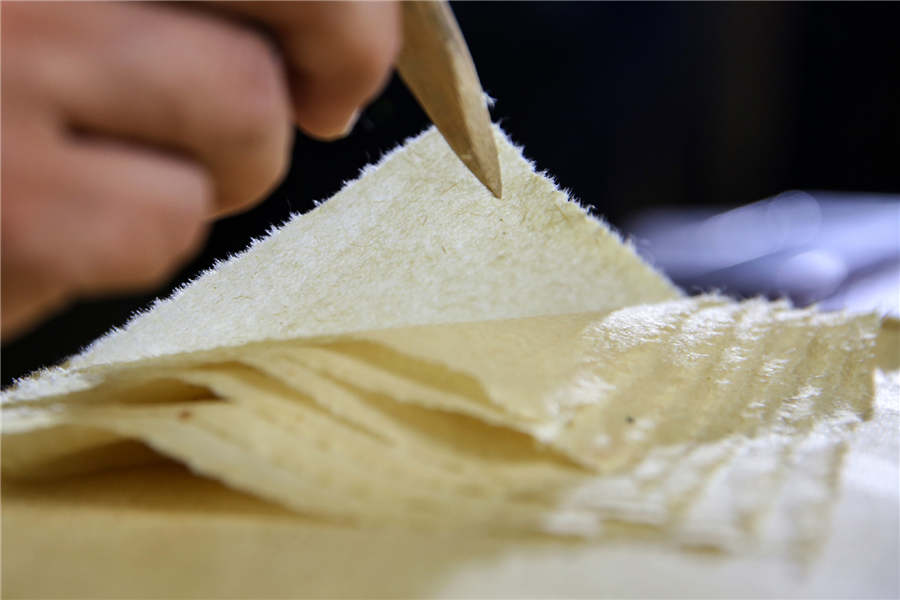
Paper-making Technology
Introduction to Papermaking Technology
Paper-making technology is one of the most significant inventions in human history, pivotal in the dissemination of knowledge and the advancement of civilizations. Originating in ancient China, the technology has evolved over centuries and remains relevant even in the contemporary digital age where traditional communication forms face challenges due to the rise of digital platforms. Despite this, there is a renewed interest in traditional practices like letter writing, showcasing the enduring legacy of paper.
Historical Development
The origins of paper-making technology can be traced back to ancient China during the Han Dynasty (206 BC-AD 220). The invention of paper is traditionally attributed to Cai Lun in 105 AD, although some archaeological evidence suggests it was in use earlier. Initially, people used various materials such as bamboo and wooden boards for writing. According to historical records in the Book of the Later Han (Hou Han Shu), Cai Lun refined the process of papermaking by using a mixture of tree bark, hemp, rags, and fishing nets. He presented this innovation to the imperial court, where it was praised for its cost-effectiveness and practicality.
The widespread adoption of paper during the Tang Dynasty (618-907) marked a significant turning point. As literacy rates improved, so did the demand for paper, which facilitated the spread of literature and culture. This era saw the transition of letter writing from a private practice to a more open and recognized form of literary expression. Influential writers of the time began publishing their letters, making their thoughts and ideas accessible to the public.
Global Impact
Through trade and cultural exchanges, papermaking eventually reached Europe by the 12th century via Spain. By the late Middle Ages, it had become integral to the printing revolution.
Papermaking played a critical role in enabling the development of literature, bureaucracy, education, and science. It was instrumental in the dissemination of knowledge, from the Chinese classics to Gutenberg's printed books.
Papermaking remains one of the most significant technological innovations in history. Today, it serves as a symbol of human ingenuity and cultural exchange, with its origins rooted deeply in ancient China. Modern papermaking techniques, while mechanized, still reflect the foundational principles developed over 2,000 years ago.
Papermaking's transformative effect on human communication and its contribution to global intellectual development make it a cornerstone of technological and cultural history.
The Relevance of Paper in the Digital Age
Despite the prevalence of digital communication methods, paper continues to hold significance. Its role extends beyond personal communication to educational settings, where writing on paper helps develop cognitive and motor skills in children. Educators and psychologists like Zhang Ding and Cui Lijuan emphasize the importance of traditional writing in cognitive development and emotional expression.
The revival of paper-based communication forms serves as a reminder of the need for diverse communication methods. While digital messaging offers speed and convenience, handwritten letters provide depth and emotional resonance, fostering deeper connections and understanding among people.








